
The Final Signature
A home may be beautifully designed, but art gives it the unmistakable signature of the people who live there.
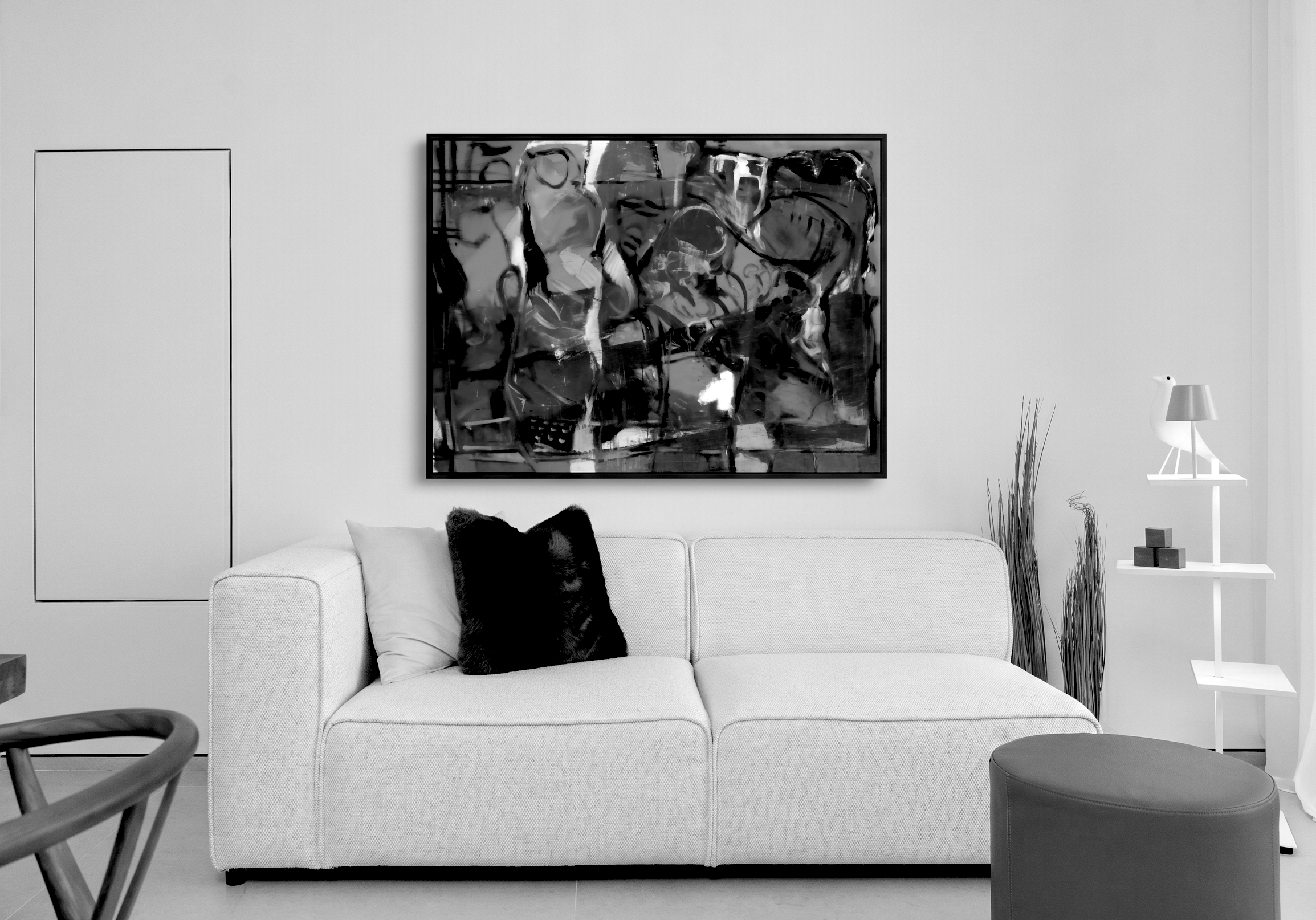
There is a moment in every project when the home appears complete.
The stone has been laid. Timber has found its place. Furniture sits as intended, and daylight moves quietly through the rooms.
Yet something remains unwritten.
Not because the interior is missing another object, but because it has not fully revealed the people who live within it.
That often begins with art.
What art reveals
Art is sometimes treated as the final decorative layer—a way to complete an empty wall once every other decision has been made. We see it differently.
Decoration fills a space. Art gives it a voice.
Unlike almost everything else in a home, art carries no practical obligation. It does not provide comfort, store possessions or illuminate a room. It exists to be experienced. It makes us pause, remember, question or feel.
And in doing so, it reveals something about the person who chose it.
Two families could inhabit the same beautifully designed home. The proportions, materials, lighting and furniture could remain unchanged. Yet, over time, those homes would become entirely different.
One might be shaped by abstract works discovered while travelling. Another by photography, sculpture or pieces inherited across generations. These choices tell stories that no material palette ever could.
Long after the furniture has been admired, it is often the art that tells us who lives there.
— LANGE
Considered from the beginning
For this reason, art curation forms part of our wider design approach rather than something considered only after an interior is complete.
A wall may be proportioned around a painting. A sightline may be protected so a work is discovered gradually from another room. A sculpture may need space around it to be experienced in the round. Dedicated lighting may be positioned long before the piece arrives.
Placement is never simply a question of finding an available wall.
Scale determines whether a work feels composed or lost. The surrounding space allows it to breathe. Carefully considered wall washing can reveal colour and texture without creating glare, while sculpture requires light that understands shadow as part of the work itself.
These may appear to be technical decisions. In reality, they are quiet acts of respect—for the artwork, the artist and the person who has chosen to live with it.
Discovering what belongs
Some of our favourite moments happen beyond the drawings.
Walking through a gallery with a client, conversation begins to replace the brief. One work recalls somewhere they travelled years ago. Another leaves them entirely unmoved. A sculpture feels unexpectedly familiar.
These responses cannot be predetermined. They reveal something personal—sometimes before the client can explain it themselves.
We are no longer searching for a piece to fill an empty wall.
We are discovering something that already feels as though it belongs.
The final signature
The right artwork can bring tension to an otherwise quiet room, warmth to a restrained palette or intimacy to a space of considerable scale. It need not match the interior. Often, its power comes from introducing a different rhythm or perspective.
A carefully designed home creates the setting for life. Art leaves evidence of the particular life being lived there.
Materials shape its atmosphere. Craft gives it permanence. Light allows it to breathe.
But art is different.
It asks for nothing, serves no practical purpose and yet often reveals more about the people within a home than almost anything else.
It is the final signature that makes the home unmistakably theirs.