
The Art of Listening
A home begins long before the first line is drawn. A reflection on how attentive listening reveals the routines and relationships from which a personal home takes shape.
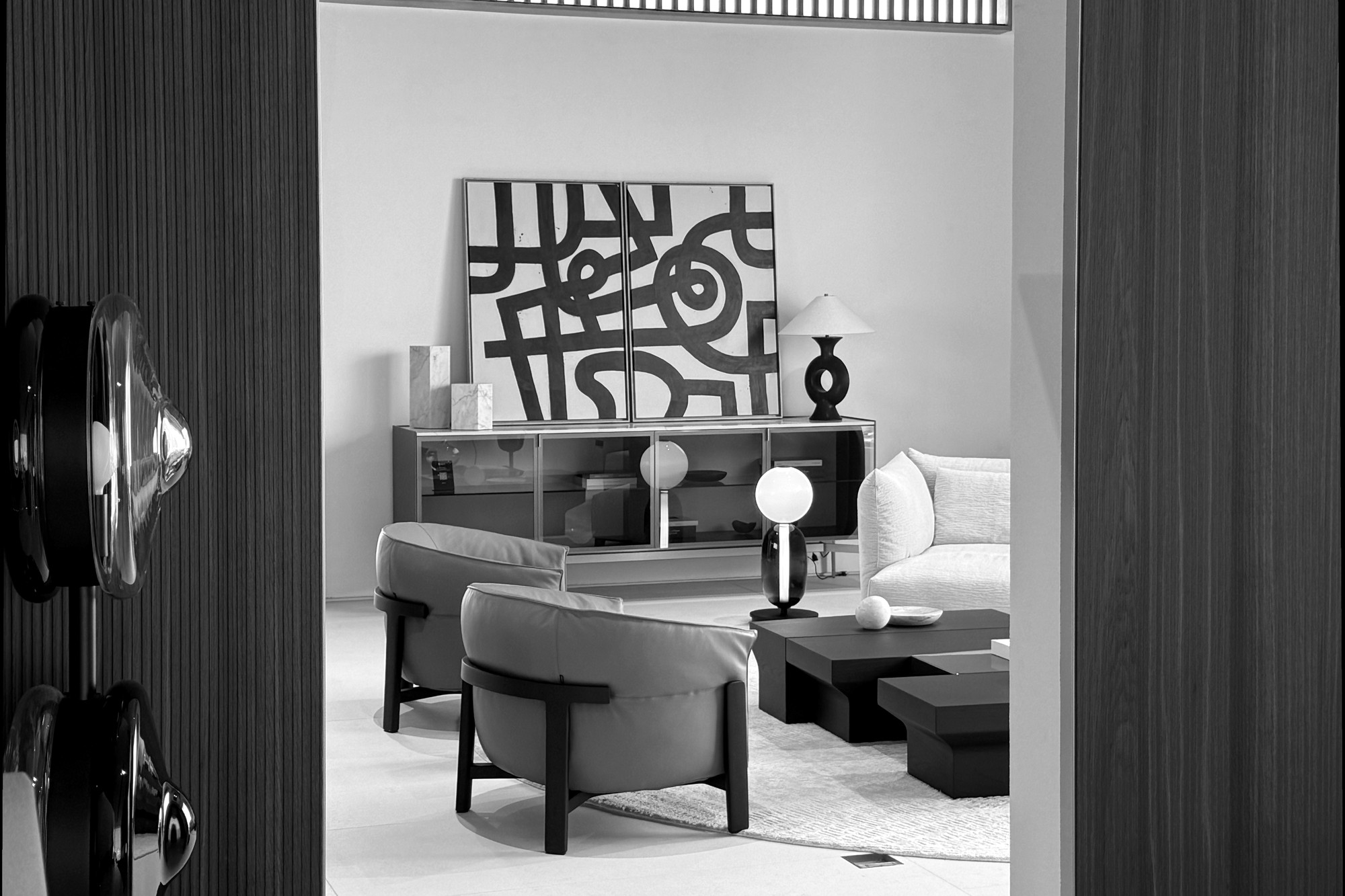
Before the First Line
Most people imagine that a home begins with a floor plan.
Others believe it starts with inspiration, a material palette or a collection of images gathered over time.
We believe it begins much earlier.
Long before the first line is drawn, before proportions are discussed or materials selected, there is something more important to understand: the people who will one day call the place home.
A brief may tell us how many rooms are required or whether a kitchen should be open or enclosed. It can describe practical needs, preferred materials and desired styles. But the most important parts of a home are rarely revealed by a list of requirements. They emerge through conversation, observation and the details people mention almost without noticing.
How does an ordinary morning begin? Where does the family naturally gather? Is cooking simply part of the day, or is it a ritual shared with others? Does the house come alive through music and conversation, or does it need to offer silence at the end of a long day?
These questions may not appear to be about design. Yet almost every meaningful design decision begins with their answers.
Beyond Style
Residential interior design has become remarkably good at asking people what they like.
Modern or traditional. Warm or minimal. Stone or timber. Calm or expressive.
These choices matter, but they do not necessarily reveal what will make a home feel right once it is lived in. Style can describe how something looks. It tells us far less about how a person wants to feel—or how a home needs to support the life unfolding within it.
The answers we search for are often found somewhere else entirely: in the room someone instinctively walks towards after a long day; in conversations that always end around the kitchen island; in the habit of reading before sleep; or in a dining table that is rarely used only for dining, but remains covered with books, drawings and coffee cups.
These ordinary moments tell us more than a reference image ever could. They reveal how a home is truly inhabited rather than how its owners imagine it should be presented.
Listening therefore means moving beyond the first answer. A request for a larger kitchen may really express a desire for the family to spend more time together. A preference for minimalism may not be about appearance at all, but about seeking calm after a demanding day. The wish for a private room may come from the need for solitude, concentration or a moment of retreat.
The stated preference matters. The feeling beneath it matters more.
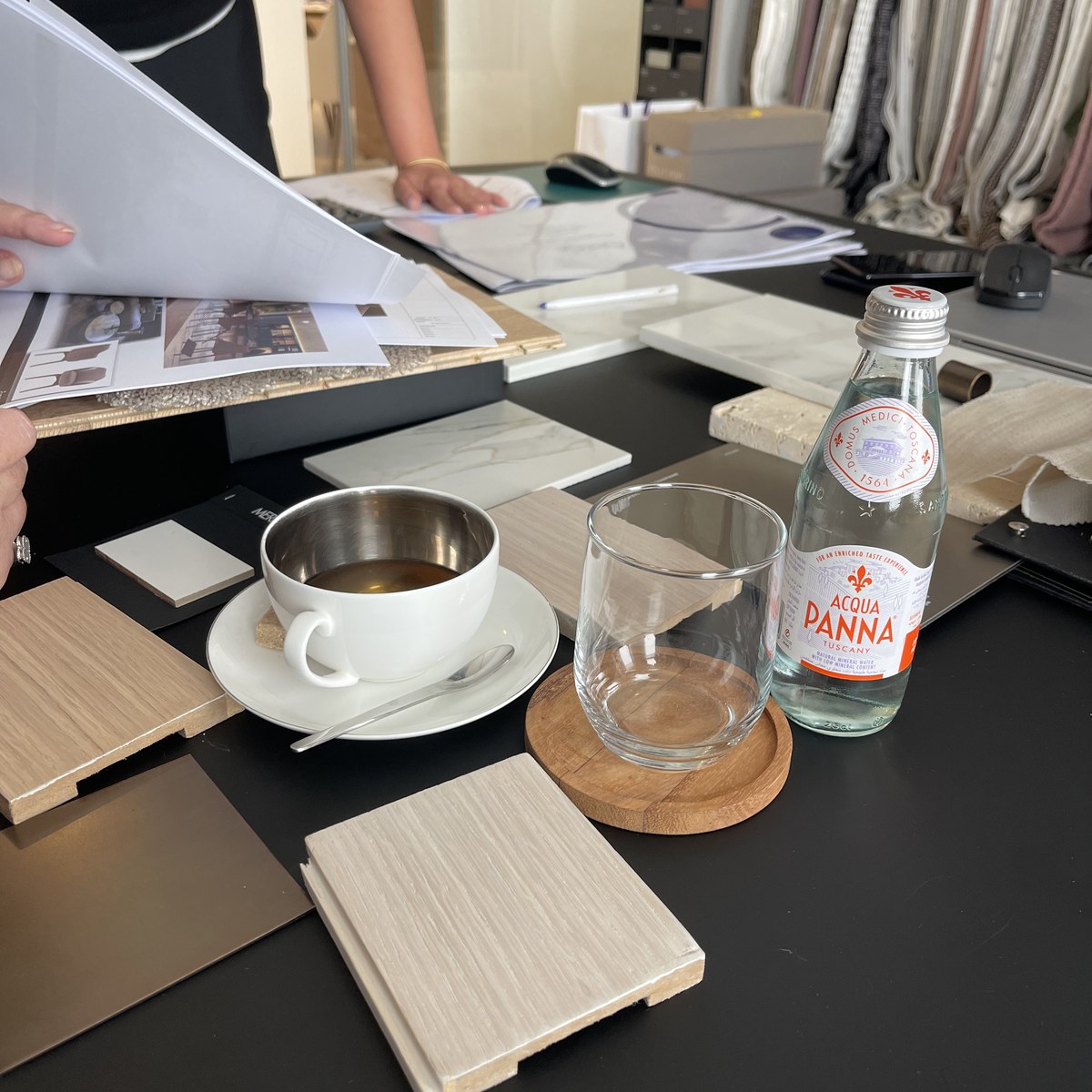
What People Reveal
Listening is often mistaken for hearing words. In our work, it is equally about recognising patterns, understanding routines and noticing what remains unspoken.
People reveal themselves constantly, usually without realising it. They reveal what they value through the stories they repeat, the objects they keep and the moments they describe most vividly. They reveal it through the way they welcome guests, the way they spend their weekends and the places to which they naturally retreat.
This understanding cannot be produced by a questionnaire alone. It develops slowly through trust and attentive conversation. Sometimes a passing remark becomes more important than an entire presentation. Sometimes what one member of a family does not say is as revealing as what another explains in detail.
Every household has its own rhythm. Some homes revolve around long breakfasts and quiet mornings. Others are shaped by late dinners, open doors and friends arriving without ceremony. Some families spend most of their time together; others need generous spaces in which to be alone.
Good residential interior design does not impose a different way of living. It gives form to the life that already exists, while gently making space for the life that may come next.
A Home Cannot Be Repeated
A beautiful house can be recreated. Its materials can be sourced, its furniture identified and its proportions studied. A meaningful home cannot be reproduced in the same way, because its meaning belongs to the people living within it.
Two families could occupy identical properties with the same views and the same original floor plan. Once their needs, rituals and relationships begin shaping the spaces, the two homes should no longer feel alike.
One may require openness and constant connection. The other may depend on thresholds, privacy and moments of separation. One may be organised around entertaining; the other around family life. Even when both are drawn to similar materials, their homes should express entirely different identities.
This is why we do not begin with a predetermined aesthetic. A studio’s design language should never become more visible than the people for whom the home is being created. The role of the designer is not to leave the same signature everywhere, but to develop a language through which the client’s identity can emerge.
The result should feel considered, but never imposed. Distinctive, but never unfamiliar. It should feel as though it could only have belonged to the people who live there.
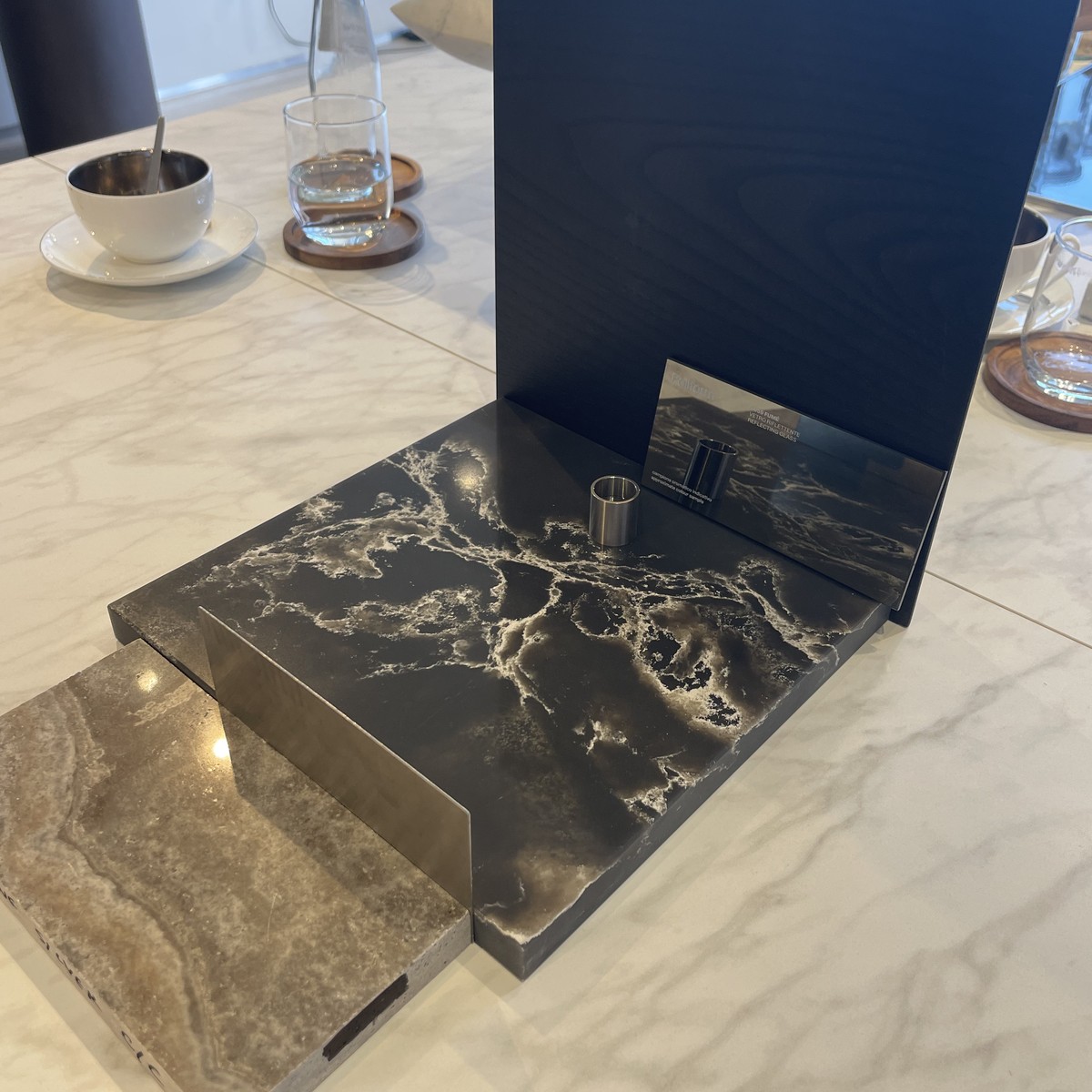
When the Aesthetic Reveals Itself
Perhaps the greatest misconception about residential interior design is that it begins with style. We have found that style is more often the outcome than the starting point.
When a home is shaped around the lives of the people inside it—around their routines, relationships and private ways of finding comfort—the aesthetic begins to reveal itself naturally. Materials are selected not only for their appearance, but for the atmosphere they create and the way they will be experienced every day. Lighting responds to the changing rhythm of the home. Furniture supports the way people gather, rest and move through a room.
The home gradually develops its own character.
It does not emerge because a particular look has been imposed or because the design follows what is currently fashionable. It emerges because every decision has grown from something genuine. The result feels coherent not because everything matches, but because everything belongs.
The homes we remember most are rarely the loudest. They are the ones that feel strangely familiar from the moment we enter, as though they could never have belonged to anyone else.
That feeling is not created by furniture or finishes alone. It comes from recognising how the people within the home move, gather, retreat and live—and allowing that understanding to guide the design.
A home begins long before the first line is drawn.
It begins with understanding.
And understanding begins by listening.